
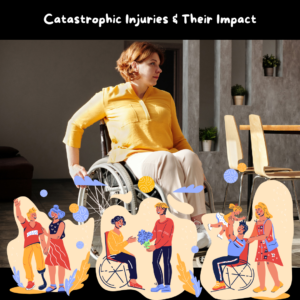
 Accidents can happen to anyone at any time, and while most injuries can be managed and healed over time, some can be truly life-altering. Catastrophic injuries fall into this category, causing serious and permanent harm to the victims. These injuries can have a profound impact on the individual’s life, affecting their ability to work, care for themselves, and lead a fulfilling life. If you or a loved one has suffered a catastrophic injury due to someone else’s negligence, it’s crucial to understand your rights and seek fair compensation for the damages you’ve endured.
Comparing Catastrophic Injuries to Other Personal Injuries
Personal injuries cover a wide range of damages that can occur after an accident. Catastrophic injuries, however, are on a different level, resulting in severe and lasting consequences for the victim. The process of pursuing a claim for a catastrophic injury is similar to other personal injury cases, but the compensation sought is often higher. Catastrophic injuries require significant financial resources and time for the victims to recover or adapt to their new circumstances, making it crucial to hold the responsible party accountable for their actions.
The Impact of Catastrophic Injuries on Everyday Life
Catastrophic injuries bring about drastic changes in the lives of those affected, often leading to permanent disabilities or limitations. These life-altering consequences may include:
- Inability to return to work or maintain gainful employment.
- Needing ongoing medical care and treatments.
- Dependence on mobility or medical devices for daily activities.
- Requiring assistance from caregivers to perform everyday tasks.
- Modifying living spaces to accommodate new limitations.
Catastrophic injuries not only impact the injured individual but can also affect their loved ones, who may need to adjust their lives to provide care and support. To build a strong case for compensation, it’s essential to demonstrate how these injuries have significantly changed the victim’s life.
Identifying Catastrophic Injuries
Catastrophic injuries encompass various types of injuries with lifelong consequences. Some examples include:
- Tetraplegia or quadriplegia: Paralysis of all four limbs and the torso.
- Paraplegia: Paralysis of the lower half of the body.
- Amputation: Loss of a limb, often requiring prosthetics and extensive rehabilitation.
- Burns and disfigurement: Severe burns or scarring that affect the victim’s appearance and functionality.
- Loss of hearing or sight: Complete or partial loss of hearing or vision.
- Nerve damage: Resulting in chronic pain and loss of sensation.
- Traumatic brain injuries: Severe brain damage that can lead to cognitive and physical impairments.
- Spinal cord injuries: Damage to the spinal cord causing paralysis and mobility issues.
Causes of Catastrophic Injuries
Catastrophic injuries can be caused by various incidents, much like other personal injury cases. Some common causes include car accidents, slip-and-fall accidents, workplace injuries, birth injuries, and falls from heights. What sets catastrophic injuries apart is the severity of their consequences, often leaving the victim with lifelong challenges and medical needs.
Types of Damages in Catastrophic Injury Cases
In catastrophic injury cases, like any personal injury claim, you are entitled to compensation for your losses. Economic damages cover the tangible financial burdens, such as medical bills, repair costs, and ongoing medical expenses. Non-economic damages, on the other hand, address the intangible losses that have a significant impact on the victim’s life, including pain and suffering, mental anguish, and loss of enjoyment of life.
Seeking Compensation for Catastrophic Injuries
To secure the compensation you deserve, it’s essential to establish negligence on the part of the at-fault party. This requires proving that the responsible party owed you a duty of care, breached that duty, caused the accident, and that the accident resulted in your catastrophic injuries and life-altering consequences.
Building a strong case for negligence in catastrophic injury claims demands thorough evidence. Insurance companies may attempt to downplay your injuries or argue that you bear some responsibility for the accident to reduce their liability. To counter these tactics, gather as much evidence as possible, including accident reports, medical records, prescriptions, bills, witness testimonies, and expert opinions. Testimony from friends and family can be invaluable in illustrating the profound impact the injury has had on your life.
Conclusion
Catastrophic injuries can turn lives upside down, leaving victims facing a daunting future filled with physical, emotional, and financial challenges. By understanding the nature of catastrophic injuries and the compensation available, you can take the necessary steps to protect your rights and seek the financial support needed for your recovery and adaptation. If you or a loved one has suffered a catastrophic injury, consult with an experienced personal injury attorney who can guide you through the legal process and fight for the compensation you deserve. Remember, you are not alone in this journey, and seeking justice can make a significant difference in rebuilding your life after a catastrophic accident.